
Ramsar Sites in India: A Complete Guide to Important Wetlands and Their Importance
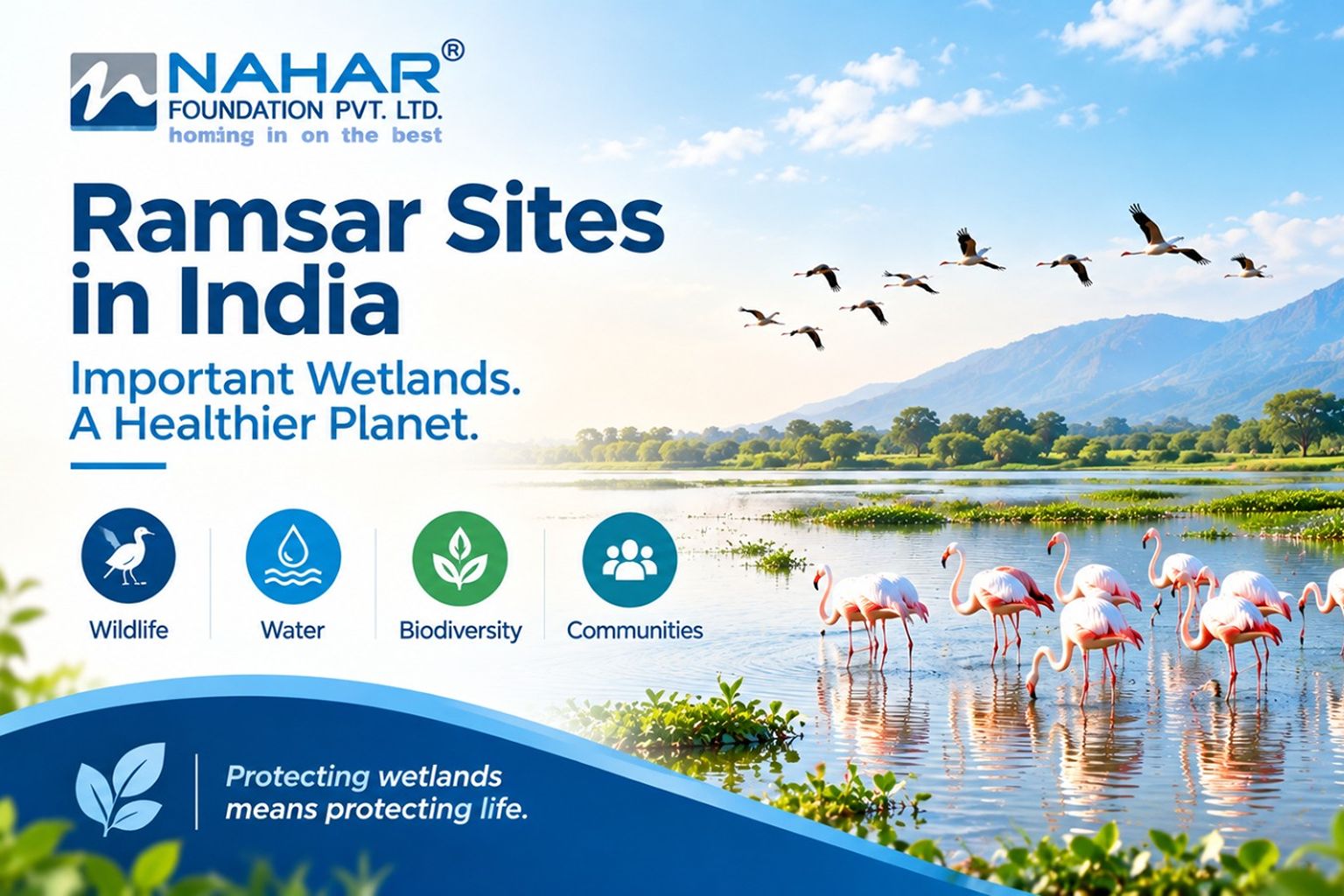
India boasts a remarkable diversity of wetlands ranging from mountain lakes to lagoons, from marshes to flood plains and even artificial reservoirs. Though these wetlands may look dissimilar in their appearance, they share common features of providing important ecosystem services to flora and fauna as well as people. Thus, they sustain wildlife, serve as water storages, alleviate the effect of floods and ensure local communities' living from them.
Some of the most valuable wetlands of India have been granted the status of Ramsar Sites. Such sites are those wetlands that are ecologically outstanding and should be preserved for future generations. With India being one of the Asian countries with the largest number of Ramsar Sites, studying them will shed light on the rich nature of this country.
Understanding the Ramsar Convention
"Ramsar Site" is a term derived from the Ramsar Convention on Wetlands, which is an international treaty about the environment signed in the town of Ramsar, Iran, in 1971. This treaty centers on the conservation of wetlands and the sustainable use of such wetlands.
Criteria set at the international level for Ramsar status are based on ecology, diversity, waterfowl, fish stocks, etc. Ramsar Site does not simply mean that a place is picturesque; it means that the wetland plays a significant role in an ecological complex.
How Wetlands Support India's Natural Systems
Wetlands are often referred to as natural water control systems because they can contain, purify and slowly release water. In times of abundant rainfall, wetlands could act to contain the surplus water, thus reducing stress on adjacent landscapes. In dry seasons, they would contribute to the availability of water.
But their environmental role is not limited to the storage of water only. Wetlands serve as breeding and feeding areas for birds, fishes, amphibians, reptiles, insects and aquatic plants. Migratory birds traveling hundreds of kilometers may need appropriate wetlands to rest and feed.
They also play an important role in maintaining soil integrity, nutrient cycling and carbon sequestration. Being linked together with rivers, groundwater and adjacent environments, wetlands become integral parts of greater landscapes.
India's Ramsar Network Across Different Landscapes
One of the most fascinating aspects of India's Ramsar Sites is their geographical diversity. Wetlands occur in almost every major ecological region of the country.
In the Himalayan region, wetlands can be associated with mountain lakes and river systems. In northern India, floodplain wetlands and freshwater marshes support large concentrations of birds and aquatic life. Peninsular India contains important lakes and reservoirs, while the eastern and western coasts are known for lagoons, estuaries, mangroves and other coastal wetland environments.
Notable Wetlands That Showcase India's Diversity
India's Ramsar network includes several internationally recognised wetlands that have become particularly important examples of conservation.
Chilika Lake in Odisha is one of India's best-known coastal wetlands. This vast brackish-water lagoon provides habitat for numerous aquatic species and attracts large numbers of migratory birds during the winter season. Its connection with coastal and marine environments gives it considerable ecological significance.
Keoladeo National Park in Rajasthan is another internationally important wetland. Historically known as Bharatpur Bird Sanctuary, it provides critical habitat for resident and migratory birds. Its mosaic of shallow wetlands, woodland and grassland creates a valuable environment for diverse wildlife.
Loktak Lake in Manipur has a distinctive ecological character because of its floating vegetation masses, locally known as phumdis. The lake is also closely associated with the unique ecosystem supporting the endangered Sangai deer.
Wular Lake in Jammu and Kashmir is among the major freshwater lakes of the region. Its extensive waterbody plays an important role within the local river system and supports aquatic biodiversity as well as communities dependent on the surrounding landscape.
Why Migratory Birds Depend on These Places
Every year, migratory birds undertake remarkable journeys between breeding and wintering grounds. During these movements, they need safe places where food and suitable habitat are available.
Indian wetlands form important links in these migration routes. Shallow waters can provide feeding opportunities, while surrounding vegetation can offer shelter and nesting habitat. A decline in the quality of one wetland can therefore affect wildlife far beyond that particular location.
This makes wetland conservation relevant not only at a local level but also within international migratory pathways.
Benefits That Extend to Human Communities
The importance of Ramsar Sites is not limited to wildlife enthusiasts or conservation researchers. Wetlands can have direct and indirect economic and social value for nearby populations.
Fishing, agriculture, tourism and traditional activities may depend on wetland resources. Healthy wetlands can also support groundwater recharge, improve water quality and moderate local environmental conditions.
For communities living close to these ecosystems, conservation works best when ecological protection is combined with sustainable resource use. Completely separating people from wetlands is not always practical or desirable. The larger objective is to maintain the ecological functions of these landscapes while allowing responsible human use.
Major Pressures Facing Wetland Ecosystems
Despite their significance, wetlands remain vulnerable to environmental and human pressures. Urban expansion can reduce natural wetland areas, while untreated wastewater may introduce pollutants into water systems. Excessive nutrient input can contribute to unwanted aquatic growth and alter ecological balance.
Changes in water availability can create another challenge. Dams, altered drainage patterns, excessive extraction and changes in rainfall can affect the natural hydrological cycle on which wetlands depend.
Invasive species can also transform native habitats and compete with indigenous plants and animals. Climate change adds another layer of uncertainty by influencing rainfall patterns, temperature, flooding and water availability.
Conservation Requires Local Participation
Government agencies, conservation organisations, researchers and local communities all have roles to play in maintaining wetland health. Scientific monitoring can help identify changes in water quality, vegetation and wildlife populations. Restoration projects can address damaged habitats, while responsible tourism can reduce unnecessary disturbance.
Local residents possess valuable knowledge about seasonal water patterns, traditional fishing practices and changes in wildlife. Incorporating this knowledge into conservation planning can make management more practical and effective.
The Future of India's Wetland Heritage
The growing recognition of wetlands through the Ramsar framework has increased international attention towards India's aquatic ecosystems. However, designation is only the beginning. Long-term protection depends on maintaining water flows, controlling pollution, conserving biodiversity and balancing ecological requirements with human needs.
As cities expand and pressure on natural resources increases, wetlands may become even more valuable. Their ability to support biodiversity while contributing to water regulation and local livelihoods makes them essential natural assets.
India's Ramsar Sites represent far more than a collection of internationally recognised locations. Together, they illustrate the country's extraordinary ecological variety and demonstrate how closely human life is connected with healthy natural systems. Protecting these wetlands today can help ensure that future generations inherit landscapes capable of supporting wildlife, communities and resilient ecosystems alike.